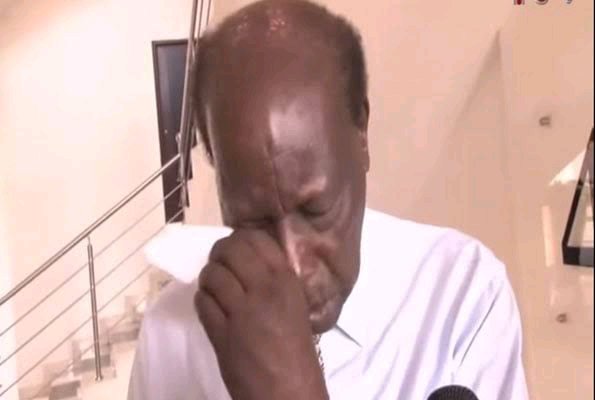
On March 18, 2015, television cameras captured retired Supreme Court Justice George Kanyeihamba wiping away tears in a corridor of Uganda’s Constitutional Court. He expressed frustration after failing to file a court application that morning.
Kanyeihamba, serving as legal counsel, was representing Western Youth MP Gerald Karuhanga and lawyer Eron Kiiza. They were seeking to block the vetting of Justice Steven Kavuma as Deputy Chief Justice.
The application aimed to stop Parliament from proceeding with the vetting process. It was not filed in time, which Kanyeihamba claimed was due to deliberate obstruction.

The applicants argued that Justice Kavuma’s appointment was unconstitutional. They said his name had not been recommended by the Judicial Service Commission as required by law.
Justice Kavuma was serving as Acting Deputy Chief Justice at the time. His proposed appointment to the substantive position drew criticism from some legal and political figures.
Kanyeihamba’s emotional reaction followed what he described as efforts to deny him access to the court registry. He believed this prevented him from filing the application.
The matter brought attention to the importance of due process in judicial appointments. The applicants wanted the Constitutional Court to declare Kavuma’s appointment null and void.
The Judicial Service Commission plays a central role in judicial appointments under Ugandan law. Its endorsement is a key step in the process.