Tesla’s journey from the Roadster to its latest models represents a paradigm shift in the automotive industry, characterized by innovation, disruption, and relentless pursuit of excellence. The Roadster, introduced in 2008, marked Tesla’s debut into the market with an all-electric sports car. It was a breakthrough in its time, showcasing the potential of electric vehicles (EVs) with its impressive acceleration and range. However, it was just the beginning of Tesla’s ambitious vision to accelerate the world’s transition to sustainable energy.
Following the success of the Roadster, Tesla embarked on a mission to democratize electric mobility with the Model S, unveiled in 2012. The Model S was a game-changer, combining luxury, performance, and long-range capability in a sleek sedan package. Its revolutionary design, featuring a minimalist interior dominated by a large touchscreen display, set new standards for electric cars. Moreover, the Model S introduced the Supercharger network, enabling fast charging and long-distance travel, addressing one of the key concerns regarding EV adoption.
Building on the success of the Model S, Tesla expanded its lineup with the Model X, an all-electric SUV introduced in 2015. The Model X retained the performance and range of the Model S while offering the versatility and practicality of an SUV. Its distinctive falcon-wing doors and advanced autopilot capabilities further differentiated it from traditional SUVs, establishing Tesla as a pioneer in autonomous driving technology.

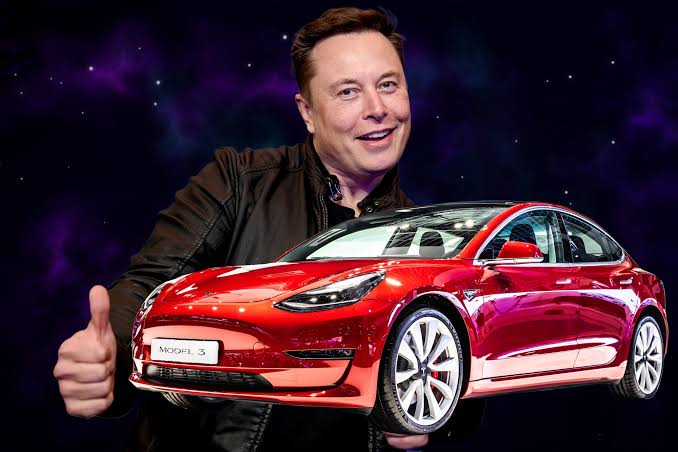
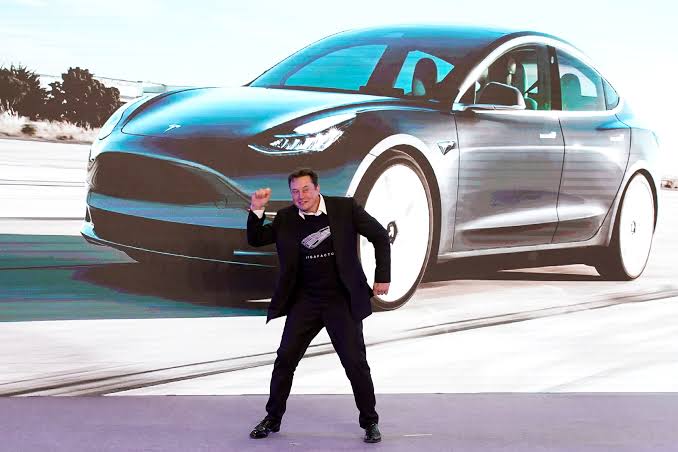
In 2017, Tesla disrupted the automotive industry once again with the introduction of the Model 3. Positioned as a more affordable electric car, the Model 3 aimed to bring Tesla’s cutting-edge technology to a broader audience. With its minimalist design, impressive range, and competitive pricing, the Model 3 quickly became one of the best-selling electric vehicles worldwide, surpassing all expectations and reshaping the perception of EVs as a mainstream alternative to traditional gasoline-powered cars.
Continuing its innovation streak, Tesla unveiled the Model Y in 2020, expanding its lineup with a compact electric SUV. Building on the platform of the Model 3, the Model Y offered similar performance and range in a more spacious and versatile package. Its crossover design appealed to a growing market segment, further solidifying Tesla’s position as a leader in the electric vehicle market.
In addition to its consumer vehicles, Tesla ventured into the commercial sector with the unveiling of the Tesla Semi in 2017. The Tesla Semi promised to revolutionize the trucking industry with its all-electric powertrain, enhanced safety features, and autonomous driving capabilities. By electrifying freight transport, Tesla aimed to reduce emissions and operating costs while improving overall efficiency and sustainability.
Furthermore, Tesla introduced the Cybertruck in 2019, a futuristic electric pickup truck that challenged conventional notions of vehicle design. With its stainless steel exoskeleton, armored glass, and unparalleled performance, the Cybertruck garnered widespread attention and anticipation. Scheduled for release in the coming years, the Cybertruck represents Tesla’s bold vision for the future of transportation, pushing the boundaries of innovation and redefining what a pickup truck can be.
In parallel with its vehicle development efforts, Tesla invested heavily in battery technology and manufacturing, striving to increase efficiency, reduce costs, and enhance performance. The company’s Gigafactories, massive battery production facilities, play a crucial role in scaling up production to meet growing demand and drive down prices, making electric vehicles more accessible to consumers worldwide.
Looking ahead, Tesla continues to push the envelope with ongoing research and development initiatives focused on advancing electric mobility, autonomous driving, and renewable energy solutions. With the impending rollout of new models, such as the Roadster 2.0 and the Tesla Semi, as well as advancements in battery technology and charging infrastructure, Tesla remains at the forefront of the automotive industry, driving innovation and shaping the future of transportation for generations to come.